Why Tensile Membrane Structures Are the Future of Commercial Construction
October 23, 2026 By admin
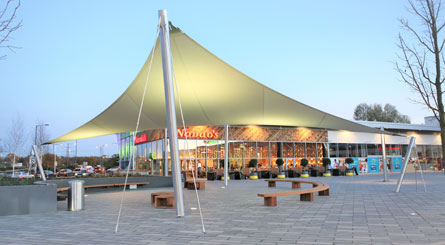
Why Tensile Membrane Structures Are the Future of Commercial Construction
The commercial building construction industry is rapidly changing, where architects, builders, and property developers are looking for solutions to provide durability, beauty, and sustainability. The Tensile Membrane Structure is one of such solutions which is very popular at the moment. Tensile architecture is a new design approach that has revolutionized the way commercial spaces are designed and used, revolutionizing their appearance, flexibility, and lightweight design.
The innovative nature of Tensile Fabric Structure solutions makes them an increasingly popular choice when building new structures, from shopping malls to airports, sports complexes to corporate campuses. This blog discusses the reasons why it is considered to be a future in commercial building and its incomparable benefits over conventional building patterns.
What are Tensile Membrane Structures?
Tensile Membrane Structure is an architectural structure system that is supported by high-strength fabric membranes and steel cables and structural frames. The fabric provides stability only against tension and not compression, thus creating interesting, functional spaces.
Typically used for:
- Commercial complexes
- Parking areas
- Walkways
- Stadiums
- Exhibition centers
- Resorts and hotels
- Public infrastructure projects
Advanced engineering and innovative design have made tensile structures a viable and attractive option for a range of commercial applications.
Growing Demand for Tensile Fabric Structures
Largely supported by its potential for providing large span coverage without too many column supports, the demand for Tensile Fabric Structure solutions has seen a huge raise. Tensile structures are becoming more popular among businesses and developers due to their many benefits, including:
- Faster construction timelines
- Cost-effective installation
- Modern architectural appeal
- Long-term durability
- Energy-efficient performance
The trend of functional and aesthetic commercial construction is continuing, and tensile fabric structures are a key element of what is becoming a routine part of current construction. The beauty and utility of tensile membrane structures are a result of the following key reasons.
1. Modern Architectural Appeal
The beauty and originality of a Tensile Membrane Structure is one of the assets. The flowing curves and inventive forms form stunning designs that add to the appearance of a commercial building.
Tensile structures are employed in building iconic landmarks, beautiful entrances, and visual outdoor areas that make an impact on visitors and customers.
2. Cost-Effective Construction Solution
A tensile structure consumes significantly less material and effort when being erected, as compared to traditional concrete and steel structures.
Benefits include:
- Reduced construction costs
- Lower foundation requirements
- Faster project completion
- Minimal maintenance expenses
This makes tensile structures very useful to invest in commercial projects, as they maximize value while maintaining quality.
3. Acceleration of the Installation and Project Completion Time
Projects in the business sector may have a hardly malleable deadline. Conventional buildings can take a few months to years to build.
The construction time is considerably shortened by the ability to fabricate a Tensile Fabric Structure off-site and have it quickly set up on-site. This enables companies to begin operations early and get returns on investment quicker.
Assessment of Energy Efficiency and Sustainability
In the modern construction industry, sustainability is a primary concern with commercial buildings. The materials used for tensile membranes are aimed at maximizing the natural light admitted and minimizing the heat absorbed.
Advantages include:
- Reduced electricity consumption
- Improved natural lighting
- Improved air circulation and aeration
- Lower carbon footprint
Because of these benefits to the environment, tensile structures are a great option for green building projects and sustainability programs.
5. Exceptional Durability
Today’s tensile membranes are designed to resist:
- Heavy rainfall
- Strong winds
- UV radiation
- Extreme temperature variations
PVC-coated polyester and PTFE-coated fiberglass are used to make high-quality fabrics, which have long service lives and retain structural integrity and appearance.
This longevity renders Tensile Membrane Structure systems appropriate for the harsh business surroundings.
Use of Tensile Structures in Commercial Construction
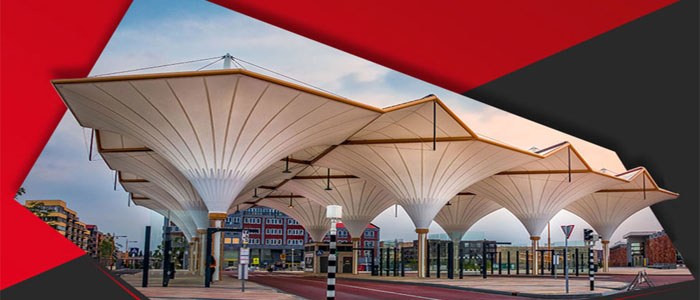
Tensile Walkway Structure
A Tensile Walkway Structure is ideal for creating pedestrian covered trails and to improve the scene of commercial buildings.
Common applications include:
- Shopping malls
- Educational institutions
- Airports
- Hospitals
- Corporate campuses
Walkway structures provide protection from the elements as well as an architectural feature.
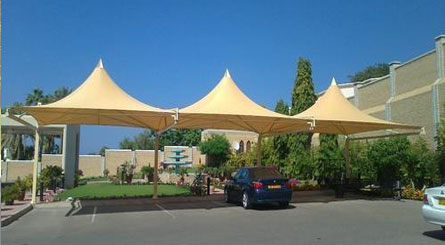
Car Parking Structure with Tensile Element
With the rising demand for organized parking spaces, Tensile Car Parking Structure solutions are becoming commonplace.
Benefits include:
- Weather protection of vehicles
- Improved parking aesthetics
- Cost-effective installation
- Long-lasting performance
Tensile car parking structures are commonly used in commercial buildings, residential societies, hotels, and office complexes to enhance the convenience and safety of parking for guests and users while also contributing to the protection of the assets.
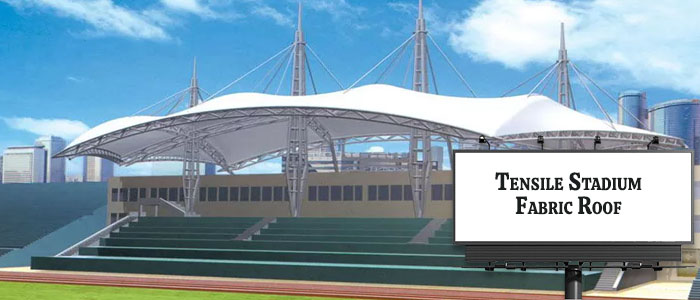
Stadium Tensile Structure
Stadium Tensile Structure systems have been utilized in various modern sports venues for covering spectator areas and roofs.
Advantages include:
- Large-span coverage
- Unobstructed viewing experience
- Reduced structural weight
- Enhanced architectural appearance
These structures also afford shelter and give iconic stadium designs that are widely known around the world.
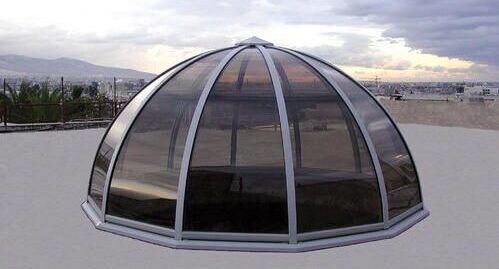
Tensile Dome Structure
One of the innovative applications of membrane architecture is a Tensile Dome Structure.
They are often employed in:
- Exhibition centers
- Event venues
- Sports arenas
- Convention halls
It is well-suited to large commercial projects, as it creates large interiors, excellent load distribution, and a superb visual effect.
Enough Flexibility for Design and Customization
The benefit of tensile membranes over other construction materials is that they can be manufactured in virtually any shape or size.
There are several options available for business:
- Conical structures
- Arch-shaped roofs
- Dome designs
- Hyperbolic forms
- Wave-pattern canopies
The flexibility of the design enables architects to build anything they want for the project as per the requirements.
Low Maintenance Requirements
Tensile structures are desirable for commercial property owners because they are low-maintenance.
The majority of membranes have the following characteristics:
- Self-cleaning properties
- UV resistance
- Corrosion resistance
- Prevent mold and mildew rot
This means that the maintenance expenses are much lower than in traditional roofing systems.
A Study of the Future of Tensile Construction
The future of commercial construction goes in the direction of:
- Sustainable building solutions
- Lightweight structural systems
- Smart architecture
- Energy-efficient designs
Tensile Fabric Structure technology fits in well with these trends. The field of tensile architecture keeps developing, with new materials, new structure designs, and new digital design software.
With the growing urbanization and enterprises looking for new building possibilities, tensile structures will become even more important in the commercial world.
Conclusion
In conclusion, the Tensile Membrane Structure is a valuable structure in today’s modern commercial buildings, evidenced by its increasing popularity. Tensile structures combine aesthetics, durability, sustainability, and cost-effectiveness to bring many benefits compared to traditional buildings.
From a Tensile Walkway Structure, Tensile Car Parking Structure, Stadium Tensile Structure to a Tensile Dome Structure, these innovative solutions offer a versatile and future-ready choice for commercial buildings.
Recent Blog